 Contact Us
Contact Us
Contact Us
Three years ago “crypto casino” meant bitcoin and a narrow audience of enthusiasts. In 2026 the picture is different: according to industry analysts, most crypto wagers in online casinos are now placed in stablecoins — USDT and USDC — and major payment companies are bringing crypto deposits to licensed markets. Here is why it happened, what it gives an operator, and what a platform must be able to do so the crypto cashier brings deposits rather than problems.
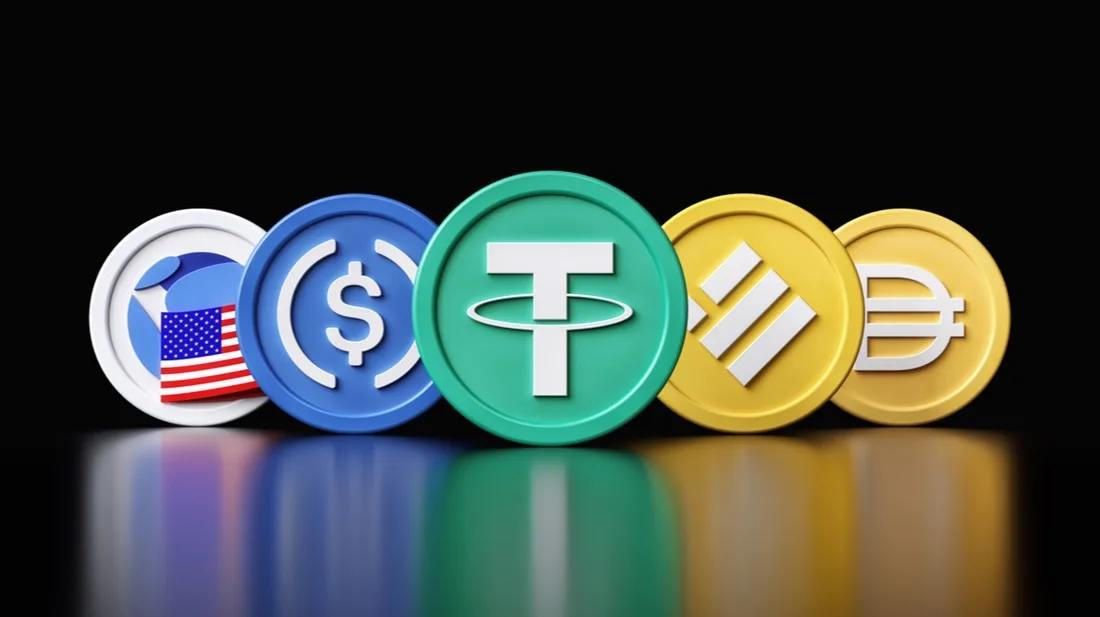

Players care about predictability, not ideology: a 100 USDT deposit will still be 100 dollars tomorrow, while bitcoin may lose 10% in the meantime. For the operator, stablecoins remove currency risk from the balance sheet and simplify accounting — GGR is counted in dollar terms without daily revaluation.
The second reason is the networks. USDT transfers on Tron or USDC on layer-2 networks such as Arbitrum and Base cost cents and confirm in seconds. This made withdrawals in minutes rather than days possible, and even games settled on-chain per spin. Analysts estimate USDT holds about 60% of stablecoin turnover in crypto casinos; these figures come from industry commentators and have no independent confirmation yet.
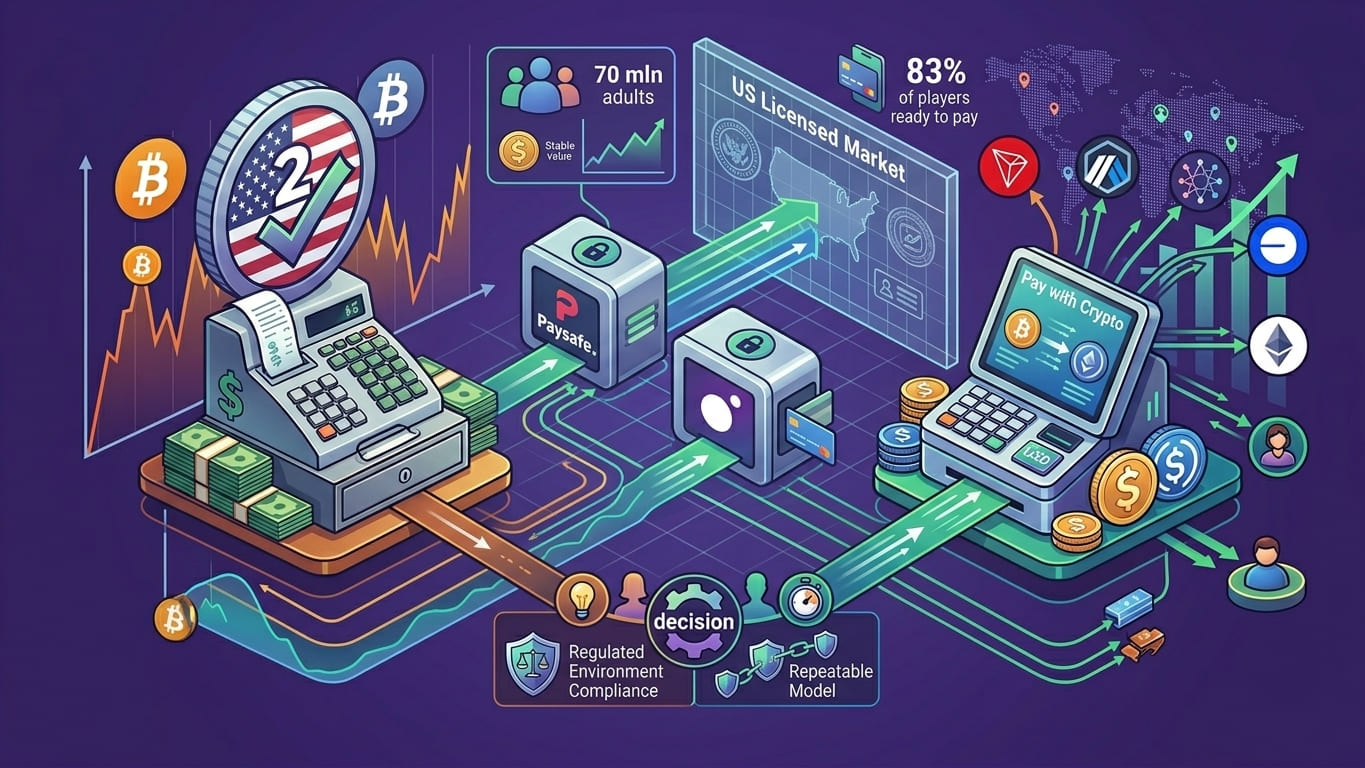
On April 7, 2026, Paysafe launched its Pay with Crypto solution for licensed online casino and daily fantasy sports operators in the US, powered by MoonPay. A player funds the account in USDC, USDT, bitcoin or ether, and the operator receives dollars: conversion happens right after the transaction is confirmed, with settlement available in stablecoins or fiat. Paysafe explains the launch by demand: by its data, about 70 million American adults own crypto and 83% of players are open to paying with it.
What matters is that this happened in the most regulated market in the world. When a public payments company brings crypto deposits to licensed casinos, it means a compliance model for stablecoins already exists and can be replicated in other jurisdictions.
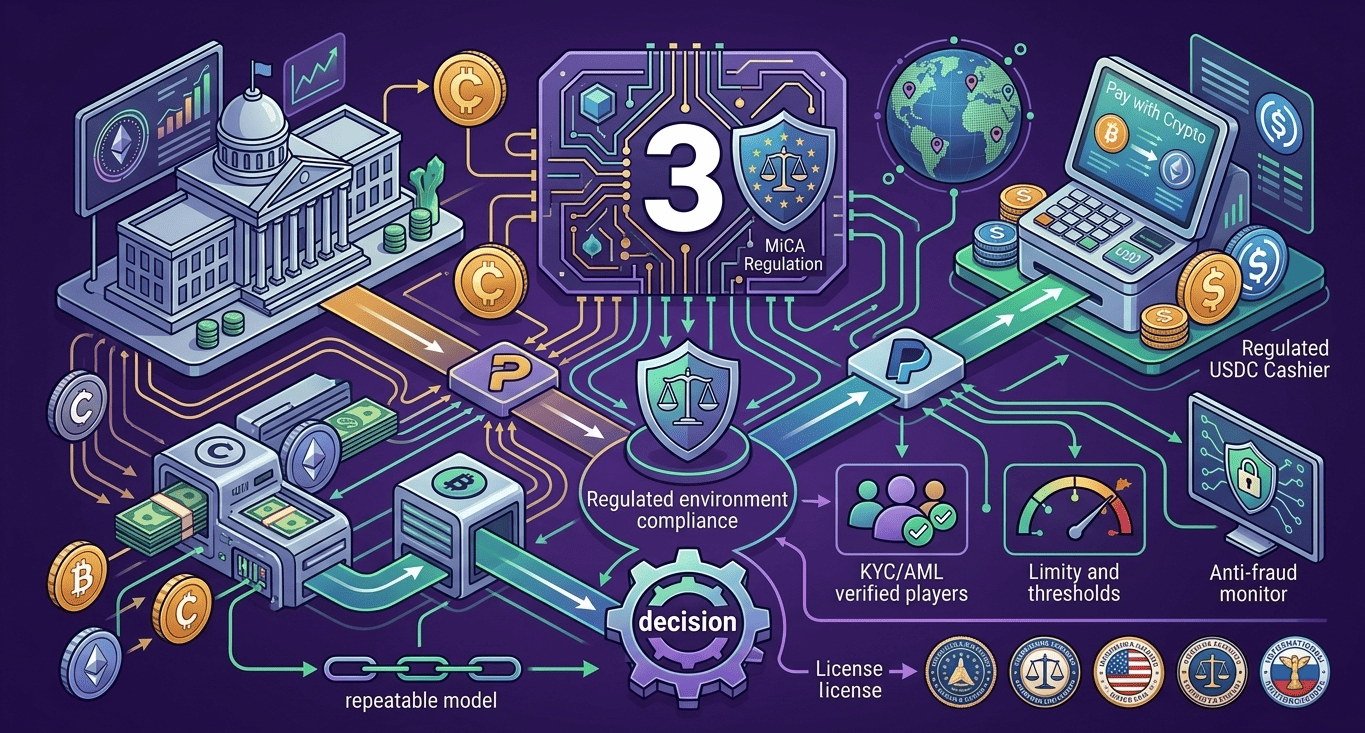
In Europe the MiCA regulation is in force, setting rules for stablecoin issuers and crypto service providers. For a casino operator this means a USDC deposit from a regulated provider goes through the same KYC and AML checks as a bank transfer, and the source of funds can be confirmed from blockchain data.
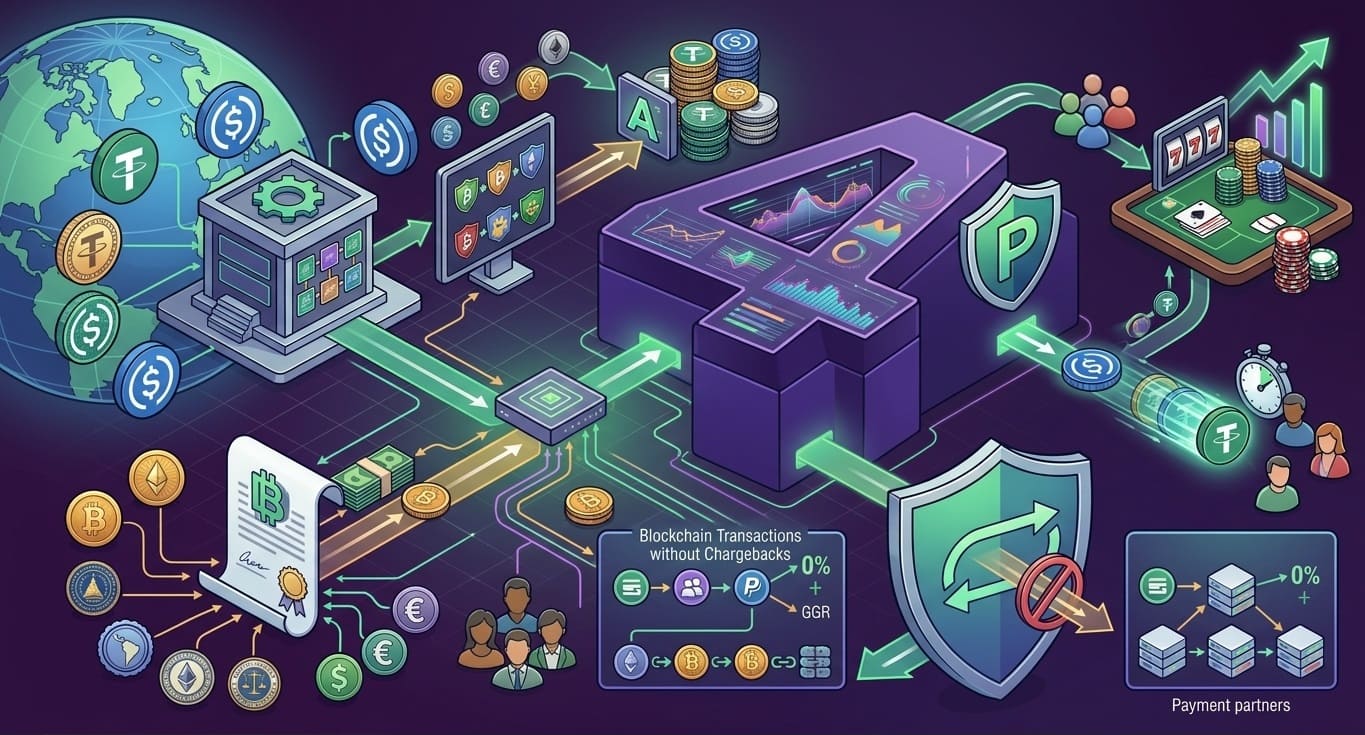
Stablecoins solve several operational problems at once, especially in markets with weak banking infrastructure — Latin America, Asia and Africa.
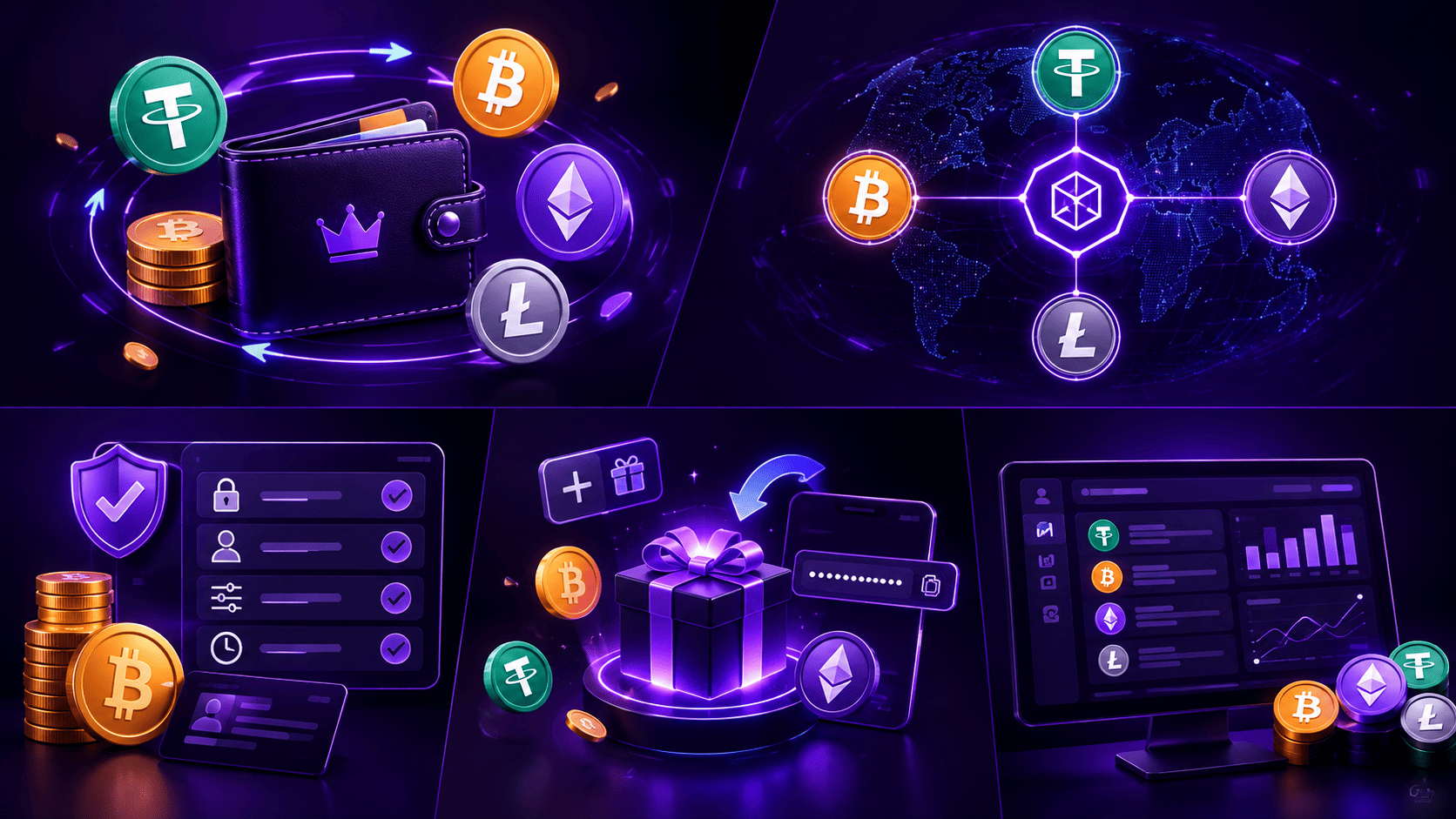
Operator experience shows that simply adding a stablecoin as one more payment option is not enough — without promotion only a few players use it. A crypto cashier delivers results when it is built into the product.
In 2026 stablecoins are not a “feature for the crypto crowd” but a standard payment channel that licensed operators enable alongside cards. The SoftIGaming platform ships with a multi-currency cashier: fiat and crypto (USDT, BTC, ETH, LTC, TRX) in one player balance, withdrawal rules, KYC and anti-fraud out of the box. If you want to see how the crypto cashier works in the admin panel — message us on Telegram and we will show you a demo.