 Contact Us
Contact Us
Contact Us
In two years Brazil went from the most anticipated regulated market in the world to its sudden halt. On September 25, 2026, Provisional Measure No. 1,394/2026 suspended online betting, and a Supreme Court decision is expected only after the presidential runoff on October 25. Here is what is known as of October 16, the numbers behind the market, and what an operator should do right now. The situation is changing fast — check the current status before making decisions.
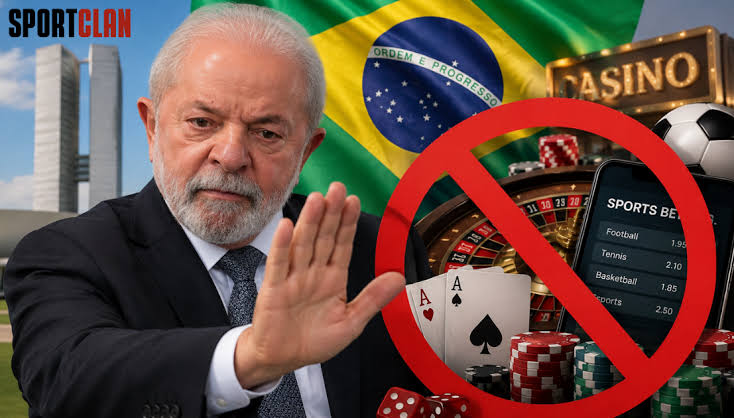

Since January 1, 2025, Brazil operated under the federal fixed-odds betting law: a license cost BRL 30 million and operators were vetted by the Secretariat of Prizes and Betting (SPA). According to industry media, by mid-2026 about 80 companies held active licenses (sources range from 78 to 87), running more than 130 brands.
On September 25, 2026, the government issued Provisional Measure No. 1,394/2026, which suspended online betting. According to SBC Americas and SiGMA, operators had to stop accepting deposits immediately and shut down in early October. On October 8 a federal court in São Paulo granted Stake partial protection until October 25, but on October 9 the appeals court TRF-3 overturned it at the request of the Attorney General’s Office (AGU).

The regulated market beat forecasts. In 2025, the first full year under the law, licensed operators generated about BRL 37 billion in GGR against a forecast of roughly BRL 31 billion; federal tax from the sector approached BRL 10 billion. From January to April 2026, tax receipts rose to BRL 4.5 billion from BRL 2.2 billion a year earlier.
The illegal segment was shrinking: a study for the Brazilian Institute for Responsible Gaming (IBJR) estimated that unlicensed sites took 38–44% of online bets in the first half of 2026, down from 41–51% in 2025. These figures are the main argument of regulation supporters in the dispute now before the Supreme Court.

The Supreme Federal Court (STF) is hearing challenges to the constitutionality of betting regulation; the rapporteur, Justice Luiz Fux, intends to rule after the October 25 runoff. In parallel, case RE 966.177 on the ban on games of chance, including slots, is suspended. At the legislative level, President Lula has publicly backed bills PL 2,258/2026 (a ban on online casino games) and PL 1,808/2026 (repeal of betting regulation).
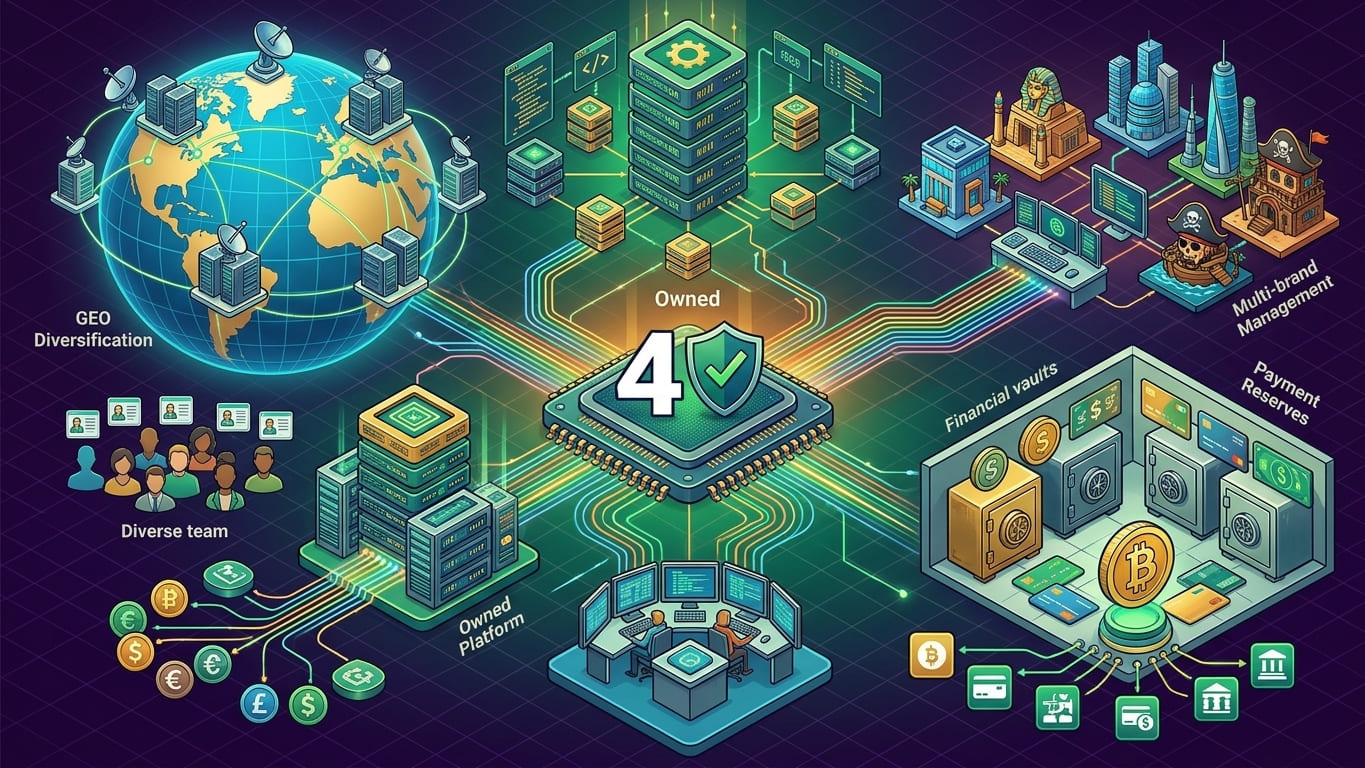
The main lesson of Brazil 2026: dependence on one GEO is dangerous even in a regulated market. Operators whose platform and player base are tied to one brand and one country lose everything in a week. Those who can quickly deploy a brand in another jurisdiction lose only part of their turnover.

Our platform is delivered with the source code and works on a 0% GGR model: you do not depend on vendor decisions and pay no share of turnover. Multi-brand and brand cloning let you launch a site for a new GEO on top of an already configured project, while the multi-currency cashier with fiat and crypto provides backup payment routes. For Brazil and Latin America we select local payment methods and help with licensing for the target country.
Brazil remains one of the largest markets in the world — BRL 37 billion of annual GGR has not disappeared, only the legal framework has changed. Whatever scenario the Supreme Court chooses, the winners will be operators who are already building their project as a system: several GEOs, their own platform, backup payments. If you work with Brazil or planned to enter — message us on Telegram: we will review your situation and propose a plan for both outcomes.